Your monthly reports tell you what happened. They may show stronger revenue, higher payroll, or less cash than expected. But when you are considering a hire or preparing for a slower season, you also need to know what could happen next.
Planning starts with reliable records and a few clear assumptions. It does not require a perfect prediction. A year-round CPA and accounting relationship can help you connect what the numbers show to the decisions ahead.
Use your numbers as a starting point
Current books and useful reports show patterns in revenue, costs, collections, and cash. They help you tell an unusual month from a lasting change. That is why trustworthy books and useful reporting matter before you look ahead.
Then account for what history cannot show: a new contract, a customer who may leave, a planned hire, or slower payments. Your plan should name these assumptions so you can revisit them as circumstances change.
Look at when cash moves
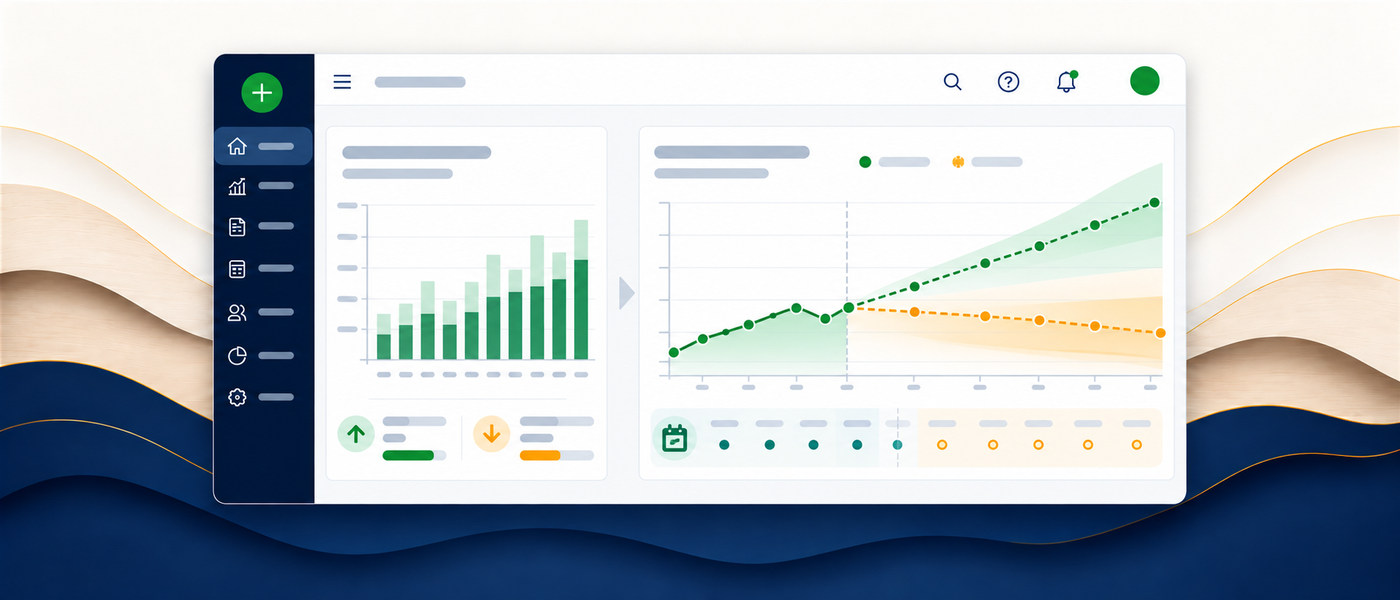
Suppose you plan to hire for new work. The work may be profitable, but payroll could begin before customers pay. A cash forecast puts expected receipts and payments on a timeline so you can see whether the timing creates a gap. The Small Business Administration includes cash flow projections in its business finance guidance.
If cash could become tight, you may have time to adjust the hiring date, billing terms, or other spending. Your CPA or accounting advisor can help test the assumptions against your collection patterns and existing commitments. The forecast is a tool for making a decision, not a promise about the result.
Revisit the plan as decisions approach
One expected outcome is rarely enough. What changes if the new work starts late or customers pay more slowly? Comparing a few plausible scenarios shows which assumptions matter most and when you might need to change course. This builds on evaluating one major business decision by looking at several commitments together.
A material change in expected income may also call for a tax conversation. The IRS notes that estimated taxes may need to be adjusted when income expectations change. Your CPA can help determine what applies to your business and whether your cash plan needs to account for it.
Keep the process simple: compare actual results with your expectations, ask what changed, and update the months ahead. Bring your advisor the decisions you see coming and the questions your monthly reports cannot answer. That regular conversation helps you plan while you still have options.
If your reports mainly explain last month, Woodard & Associates CPA can help you discuss the cash needs and decisions ahead.
This article is educational and is not individualized accounting, tax, legal, investment, or financing advice. Review planning decisions with advisors who understand your circumstances.